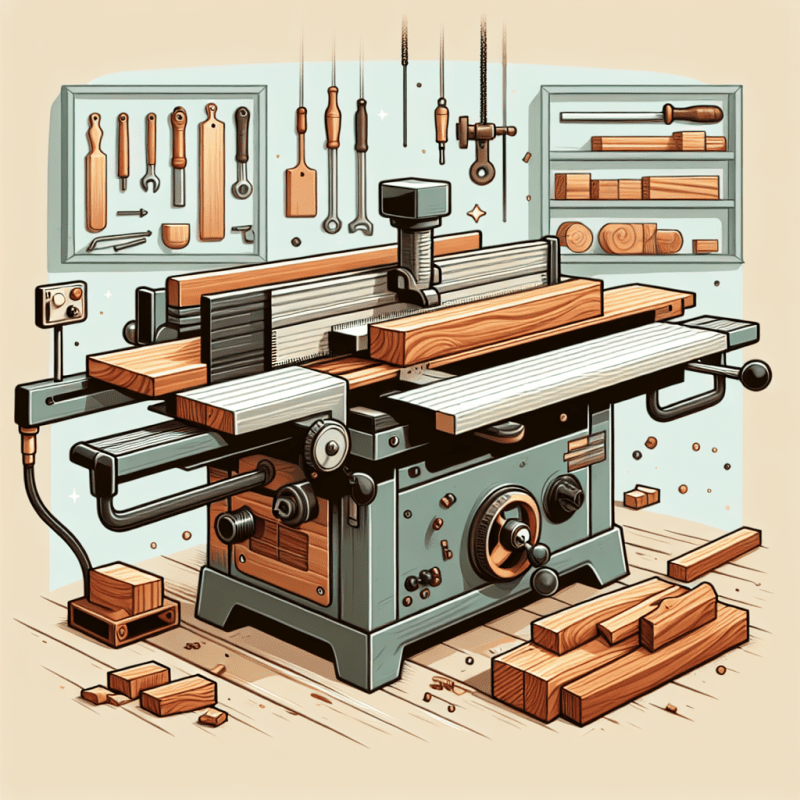
When it comes to mastering the craft of woodworking, choosing the right table saw is essential. With so many options available, it's easy to feel overwhelmed. However, breaking down your needs and understanding the types of table saws can simplify the selection process. By focusing on the features that matter most to you, you can find a saw that fits perfectly into your workshop and workflow.
First, consider the type of projects you plan to undertake. If you're a weekend hobbyist, a portable table saw might be your best bet. These saws are lightweight and easy to transport, making them ideal for small projects and tight spaces. On the other hand, if you’re a serious woodworker or plan to tackle large-scale projects, a saw with a more robust design, like a cabinet saw, will offer you the durability and precision you need.
Next, think about the size of your workspace. If you have limited room, a compact or portable table saw will save space while still delivering strong performance. For those with larger workshops, a stationary saw can provide greater stability and cutting capacity. Remember to also evaluate the blade size and power. Most table saws come with either a 10-inch or 8-inch blade, with the 10-inch blade being more popular for standard woodworking tasks. Likewise, select a saw with adequate horsepower to ensure clean, efficient cuts.
Lastly, don't overlook safety features. A good table saw should include a riving knife, blade guard, and anti-kickback pawls to help protect you during operation. Many newer models even come with advanced safety technology, such as flesh-sensing blades that can stop the saw in an emergency. Prioritizing safety will not only prevent accidents but also give you peace of mind while working on your projects.
Essential Safety Tips for Table Saw Use
Using a table saw can be a rewarding experience, but safety should always be your top priority. Before you turn on your saw, take a moment to check your workspace. Ensure that the area is clear of any clutter and that you have adequate lighting. A clean workspace helps you to stay focused and reduces the risk of accidents. Always remember to wear appropriate safety gear, including safety glasses to protect your eyes and hearing protection to guard against loud noises.
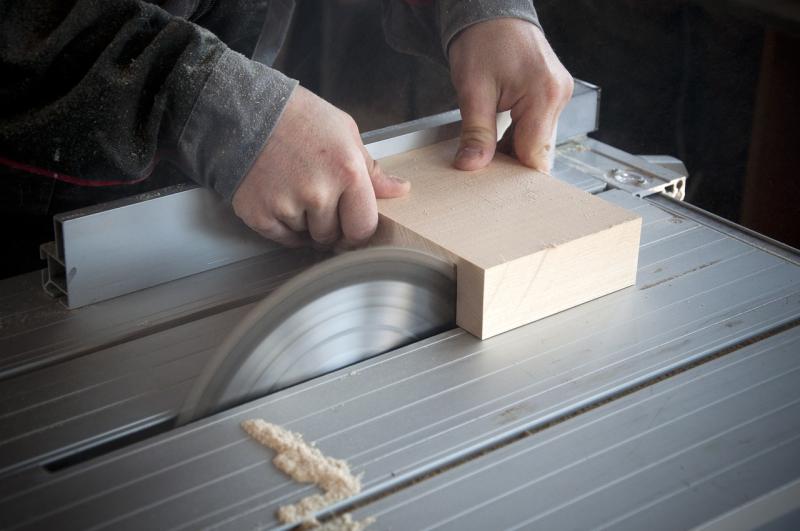
One of the most crucial safety tips is to keep your hands away from the cutting blade. It’s easy to get distracted and accidentally place your fingers too close. Always use proper push sticks or push blocks to guide the wood through the saw. These tools not only help you maintain a safe distance from the blade but also give you better control over the material you are cutting.
Make sure to familiarize yourself with the saw’s safety features, such as the blade guard and the riving knife. These components are designed to help prevent kickback, which is when the material being cut suddenly moves back toward you. It’s essential to never remove these safety features, as they are there for your protection. Additionally, keep the blade sharp and in good condition; a dull blade can lead to unexpected issues and make cutting more dangerous.
Lastly, always plan your cuts before you begin. Measure twice and cut once to ensure precision. Rushing through cuts can lead to mistakes and potential injuries. By taking your time and being mindful of each step, you can enjoy the process of working with a table saw while minimizing risks. Remember, safety first makes for a successful and enjoyable woodworking experience.
Techniques for Perfect Cuts Every Time
When it comes to mastering the craft of table saws, achieving perfect cuts every time is essential. A well-executed cut can make a world of difference in your woodworking projects, whether you’re building furniture or making precise joinery. Here are some techniques that can help you consistently produce flawless cuts.
The first technique to consider is proper setup. Make sure your table saw is level and securely positioned. Check that the blade is aligned with the miter slot and raise the blade to the correct height for your material. This initial setup not only ensures accuracy but also improves safety while you work. Taking the time to calibrate your tool will pay off in the quality of your cuts.
Another important aspect is using the right feed technique. Maintain a steady and even pressure when pushing your material through the blade. Avoid forcing the wood, as this can lead to uneven cuts or kickback. Instead, let the saw do the work, guiding the material smoothly through. Using push sticks and feather boards can also aid in controlling the feed rate and keeping your hands safely away from the blade.
Finally, don’t underestimate the value of blade selection. Different projects require different types of blades, so choose one that suits your material and desired cut quality. For instance, a fine-toothed blade is ideal for crosscuts, while a rip blade is perfect for making straight cuts along the grain. Regularly sharpening your blades is equally important, as a sharp blade creates clean cuts and requires less effort to use.
Maintenance for Longevity and Performance
Maintaining your table saw is essential for ensuring both its longevity and optimal performance. Regular maintenance not only keeps your saw running smoothly but also helps prevent potential hazards. By following a few simple steps, you can keep your table saw in top shape for years to come.
Start by regularly cleaning your table saw. Dust and debris can accumulate around the blade and in the motor, which can lead to poor performance or damage over time. Use a soft broom or a vacuum with a brush attachment to remove sawdust from the table surface, the blade guard, and the surrounding areas. Additionally, periodically wipe down the surfaces with a clean, dry cloth to remove any oils or residues that may have built up.
Next, ensure that all the moving parts are well-lubricated. Check the user manual for guidelines on which lubricants to use for your specific model. Apply lubricant to parts like the elevation and bevel adjustment mechanisms, which can become stiff and difficult to operate without proper maintenance. Keeping these parts well-lubricated will not only make adjustments smoother but will also help prevent wear and tear.
Finally, regularly inspect the blade for signs of wear, such as dull teeth or nicks. A dull blade can cause poor cuts and put more strain on the motor, leading to potential failures. Replace the blade as needed, and make sure to keep a few spare blades on hand for different types of cuts. Additionally, checking and adjusting the alignment of the blade and the fence periodically can enhance the accuracy and precision of your cuts, making your table saw a reliable tool in your workshop.