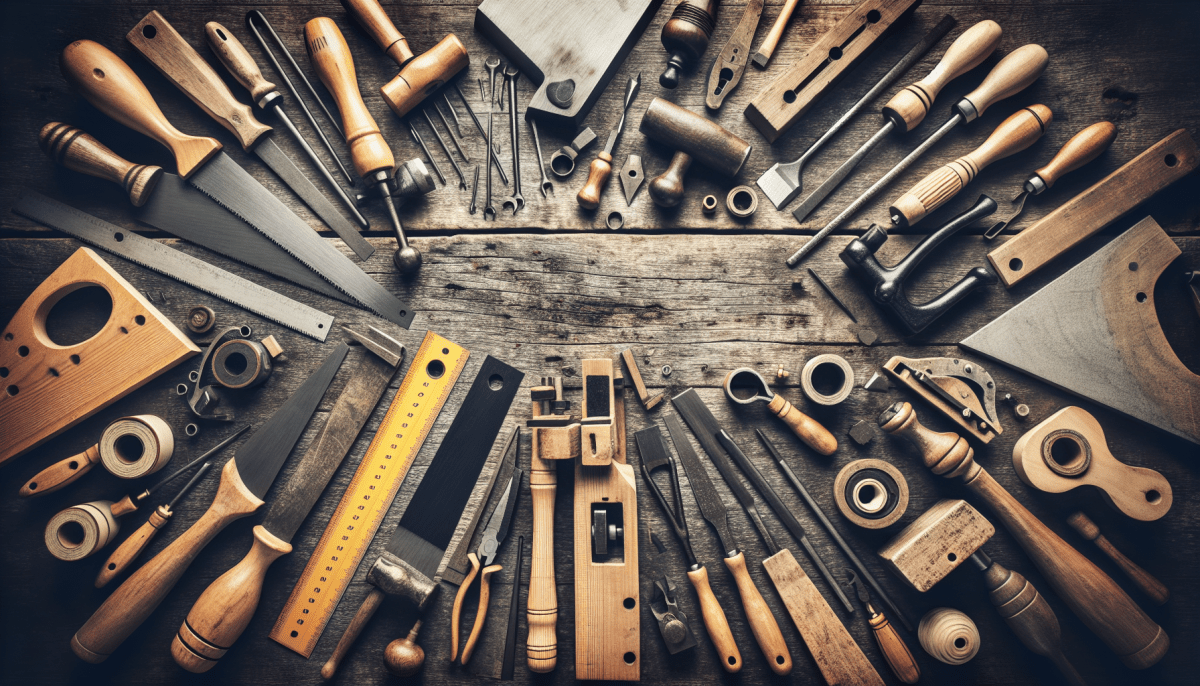
Every woodworker, whether a beginner or a seasoned pro, should have a set of basic tools that can help tackle a wide range of projects. Having the right tools on hand not only makes the work easier but also ensures better results. Let's explore the essential hand tools every woodworker should consider adding to their toolkit.
First on the list is the trusty hand saw. This tool is a must-have for making precise cuts in wood. Unlike power saws, hand saws give woodworkers greater control over their cutting, allowing for intricate work on smaller projects. There are various types, like the crosscut saw for cutting across the grain and the rip saw for cutting along the grain, so it's worth investing in a couple of options to expand your versatility.
Next up, the chisel is fundamental for shaping and detailing wood pieces. Whether you're cleaning up joints or crafting intricate designs, a sharp chisel makes all the difference. A set of chisels in different sizes will allow you to handle tasks ranging from simple clean-ups to more complex wood carving. Remember to invest in a good sharpening stone to keep your chisels in top shape!
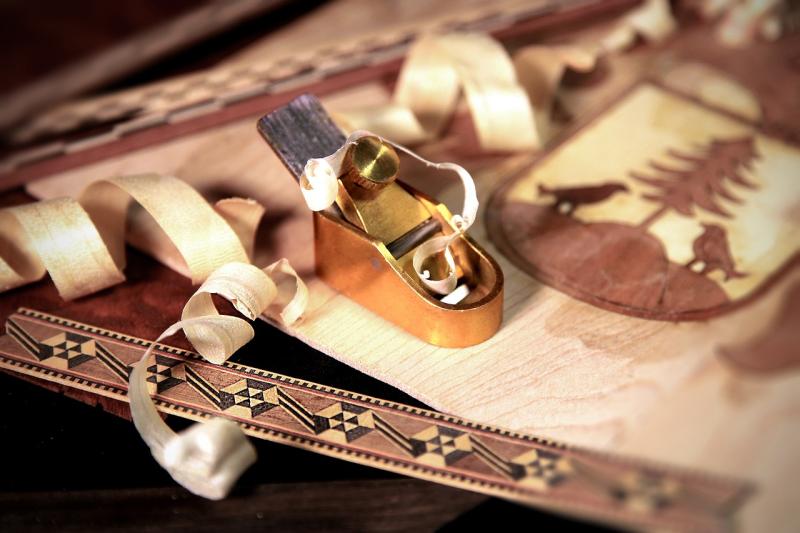
Another essential is the wood plane, which is used to flatten, reduce thickness, and create a smooth surface on wood. A well-tuned hand plane can transform rough lumber into beautifully finished pieces. There are various types of planes, such as block planes and bench planes, so choose one that fits your specific needs and preferences. As with chisels, maintaining a sharp edge is key to effective planing.
Lastly, don’t forget about the measuring tools. Accurate measurements are critical in woodworking. A good tape measure, combination square, and marking gauge will help ensure that your cuts and joints are precise. These tools make it easy to set out your designs and measurements, minimizing the chances of errors that can lead to wasted material.
Must-Have Cutting Tools
First on the list is the trusty hand saw. This tool is fundamental for making straight cuts in various types of wood. Hand saws come in different styles, including crosscut saws and rip saws, each designed for specific cutting tasks. Investing in a well-maintained hand saw allows for clean cuts that set the foundation for your woodworking projects.
Another indispensable tool is the chisel. Chisels are perfect for achieving fine details in your work, such as dovetail joints or clean edges. A set of chisels in various sizes provides versatility, allowing you to tackle both small and large tasks with ease. Sharpening your chisels regularly will ensure that you maintain their effectiveness and extend their lifespan.
Don't overlook the importance of a quality utility knife. This handy tool is great for making precise cuts on smaller pieces or for trimming edges. A sharp utility knife can slice through soft woods and even thin materials like veneer or laminate with great accuracy. Keeping an extra blade or two on hand will ensure you're always ready for those intricate detailing jobs.
Helpful Measuring and Marking Tools
The first must-have tool is a reliable tape measure. A good tape measure is not only flexible but also durable, allowing you to measure various lengths easily. Look for one that features both metric and imperial units for versatility. A tape measure that locks in place will help keep your measurements stable while you mark them, ensuring accuracy every time.
Next up are marking gauges, which are essential for ensuring straight, consistent lines on your workpieces. These tools come in various styles—ranging from simple pencil marking gauges to more complex vernier marking gauges. Choose one that feels comfortable in your hand and is easy to adjust. Whether you're marking a line for a cut or scribing a precise measurement, a marking gauge is invaluable in achieving clean, professional results.
Don’t forget about square tools, like combination squares and framing squares, which are crucial for checking and marking right angles. A combination square can also be used for measuring depth and helps ensure your cuts are perfectly aligned. Meanwhile, a framing square is excellent for larger projects, giving you that extra edge when laying out and checking angles. With these measuring and marking tools in your arsenal, you'll be well on your way to crafting beautiful, well-built projects.
Essential Finishing Tools for Woodworking
When diving into the world of woodworking, having the right finishing tools is just as important as the basic hand tools. These essential finishing tools are designed to enhance the beauty of your projects and ensure a professional-looking outcome. From smoothing surfaces to applying finishes, understanding these tools can elevate your woodworking game.
One of the most important finishing tools every woodworker should have is a quality sander. While hand sanding is an option, a power sander can save you a significant amount of time and effort. Orbital sanders are particularly versatile, able to handle curved and flat surfaces with ease. For even finer work, consider a finishing sander, which has a smaller pad for reaching tight corners and achieving a smooth finish.
Another essential tool is a set of
Finally, no woodworking project is complete without the right rags or tack cloths. These are crucial for cleaning surfaces before finishing, as they help remove dust and debris that can mar your final product. Tack cloths are especially useful because they are slightly sticky and can quickly pick up fine particles, leaving your wood ready for staining or sealing.